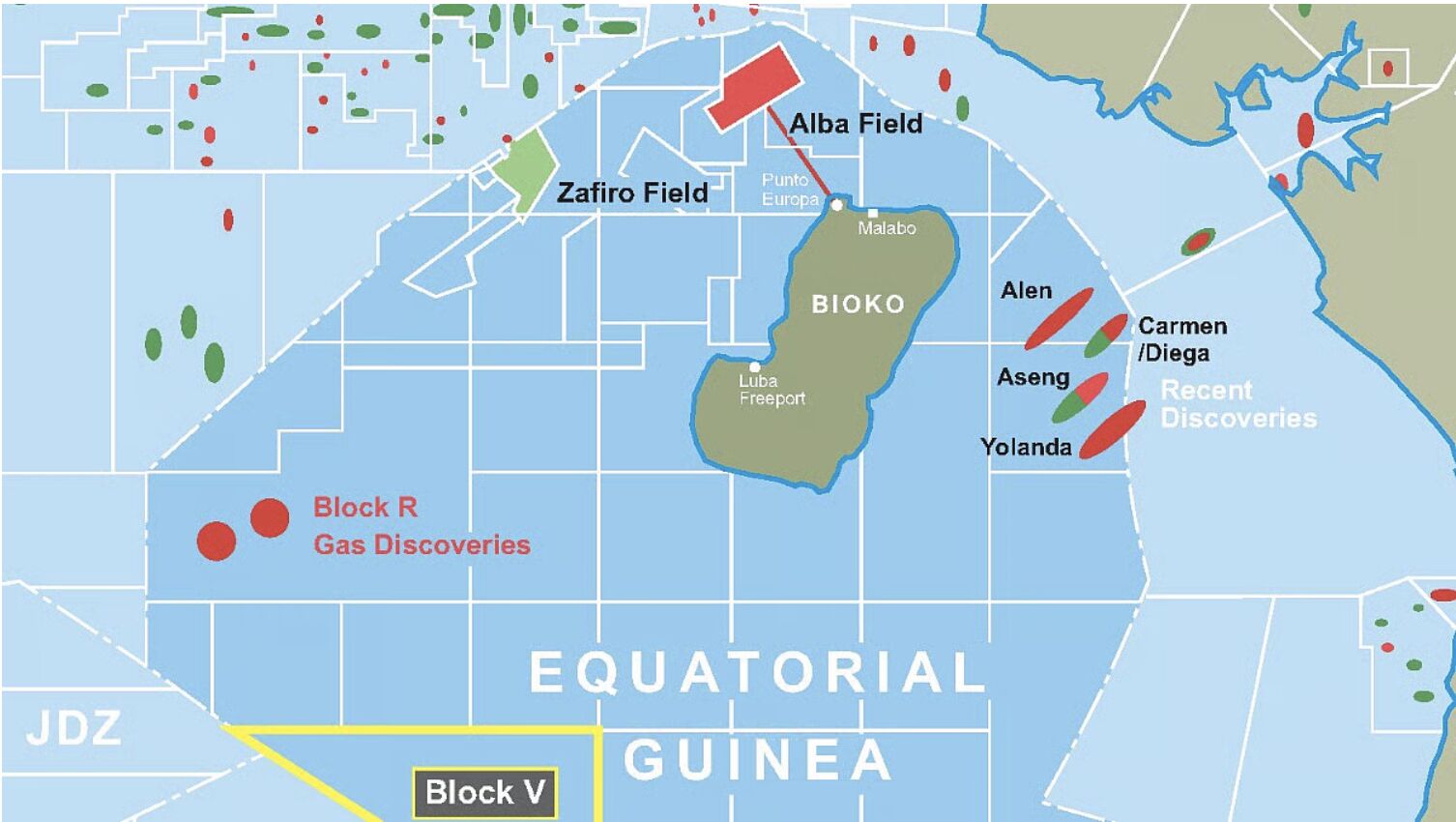
A US$690 million tie-back and the Yoyo-Yolanda unitisation are central to keeping the Punta Europa hub supplied.
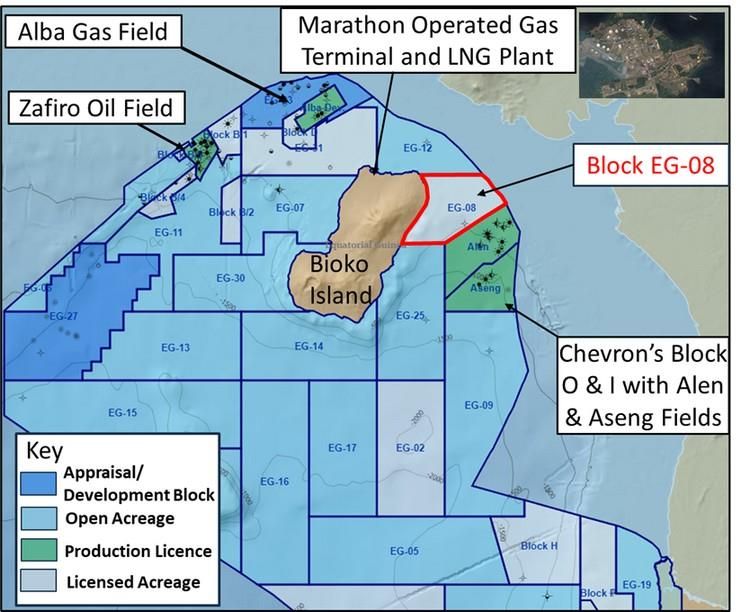
Chevron has told reporters that Aseng, a US$690 million tie-back, is on track for first gas in 2028. A rig is expected in early 2027, and the project connects to existing infrastructure.
Government talks
Equatorial Guinea’s hydrocarbons minister said the government is in negotiations with TotalEnergies and QatarEnergy on blocks, and that talks continue with ConocoPhillips on EG27. This follows the multi-party gas talks we covered in October (read the October analysis). The new facts this month are the Aseng timeline and the reference to EG27.
Why it matters for the Punta Europa hub
Declining gas output has put pressure on the country’s LNG exports. Aseng and the Yoyo-Yolanda unitisation with Cameroon, signed in February, are central to keeping the Punta Europa hub supplied. A tie-back to existing infrastructure is a different risk profile from a frontier project: the reservoir and the contract still matter, but the processing and export route already exists.
What this means for clients
For operators and investors, the bottom line is that Equatorial Guinea’s gas story is about infrastructure utilisation, not frontier risk.
That shifts where diligence should focus. Access to, and terms of use for, existing infrastructure become central, as do the allocation of capacity across projects and how unitised or cross-border arrangements are documented. Operators evaluating gas opportunities should look early at tie-back and processing terms, the timing of the first-gas window against their own development plans, and how any new block arrangements, such as the negotiations on EG27, interact with the hub’s supply needs. Lechêne, Iñiguez & Partners can help structure and review these arrangements.