Malabo is pursuing multi-party negotiation alongside FIDs and unitisation to reverse falling gas output.
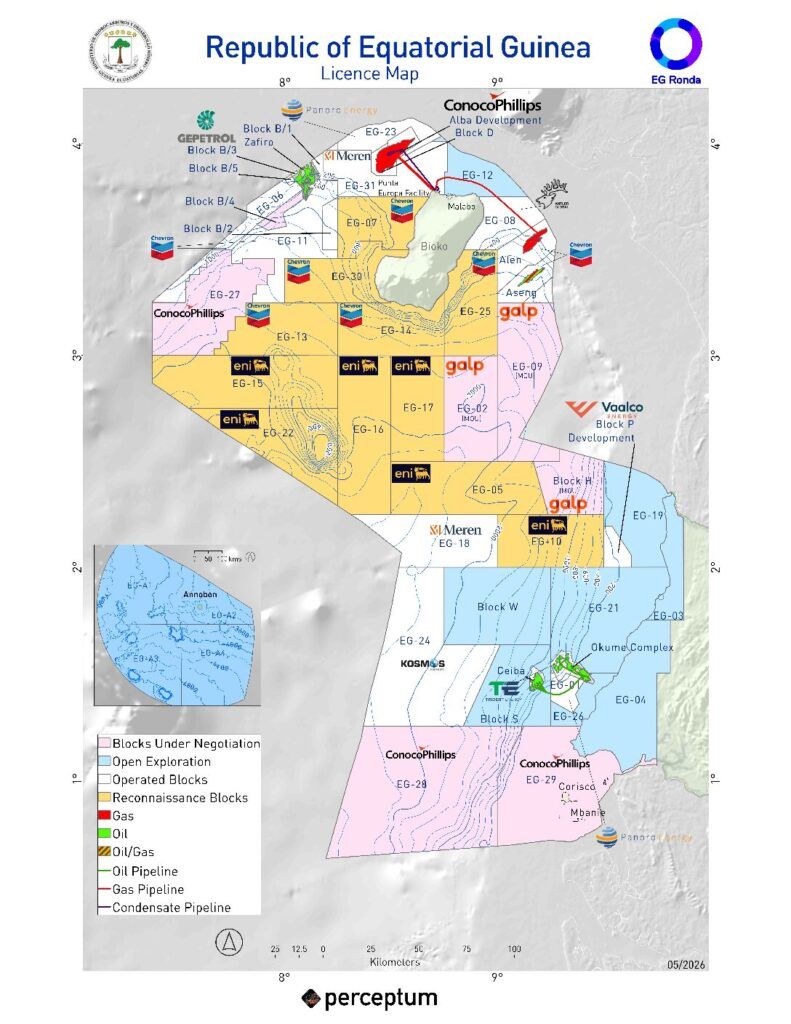
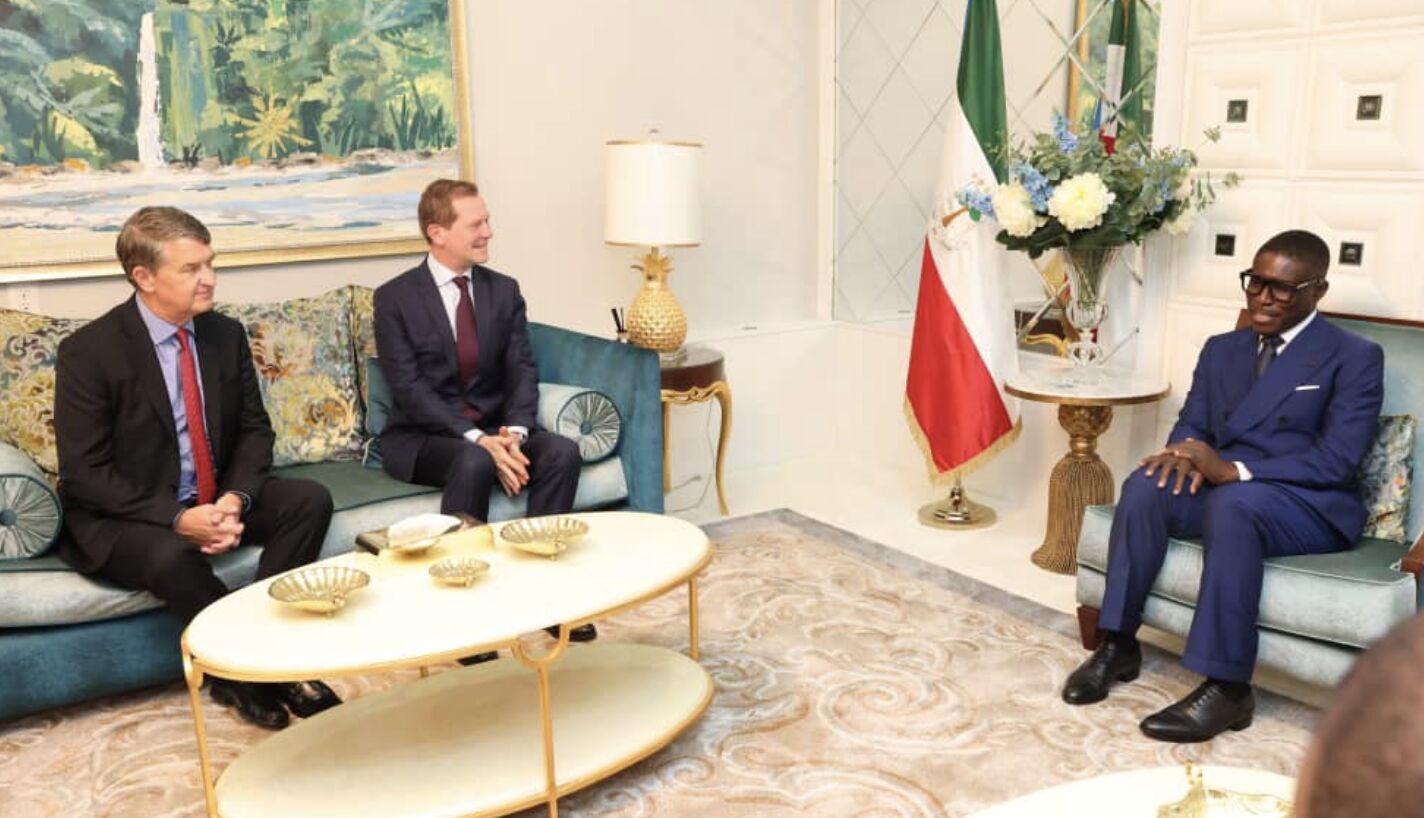
Equatorial Guinea’s government is negotiating with three major operators, TotalEnergies, ConocoPhillips and QatarEnergy, on new gas projects aimed at reversing the country’s declining gas production.
Recent momentum
The talks follow Chevron’s recent FID on the Aseng gas monetisation project and the Yoyo–Yolanda cross-border unitisation deal agreed with Cameroon earlier this year.
A multi-track approach
Taken together, these moves show Malabo leaning on gas as its next fiscal anchor. It is pursuing it through parallel tracks: unitisation, FIDs with existing partners, and now direct multi-party negotiation alongside its 2026 licensing round.
What this means for clients
For operators and investors eyeing Gulf of Guinea gas, the signal is that deal structures beyond a standard PSC are becoming the norm rather than the exception. Unitisation, farm-ins and multi-party negotiation each bring their own legal and commercial questions, from cross-border allocation to partner governance and offtake. Parties entering discussions should expect bespoke structuring and plan their legal workstreams accordingly. Lechêne, Iñiguez & Partners advises on upstream deal structuring across the region.