Following years of falling production and the departure of major operators, Equatorial Guinea is redesigning its investment proposition around three connected priorities: more competitive fiscal terms, gas monetisation, and a shift toward independent operators. It’s a recognition that mature basins require a different investment model — and the country’s attempt to align fiscal reform, infrastructure and a new class of operators offers a useful case study for other established African producers.
Tax cuts and licensing
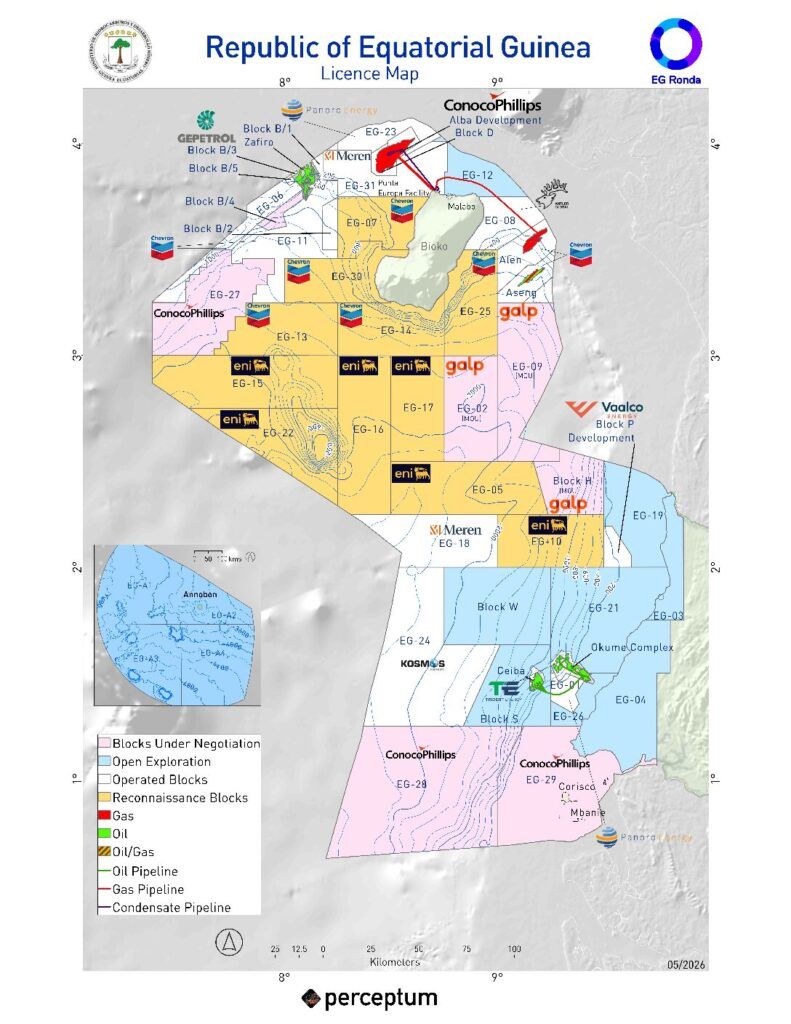
Corporate tax has been reduced from 35% to 25%, and dividend tax has fallen from 25% to 10%. Further petroleum-sector reforms are expected to improve cost recovery and profit-sharing terms. These changes support the EG Ronda 2026 licensing round, through which 24 offshore and onshore blocks are being offered, alongside an open-door policy allowing companies to negotiate licences directly rather than solely through formal bid rounds.
Gas monetisation
Through its Gas Mega Hub, Equatorial Guinea aims to aggregate stranded regional gas using the existing Punta Europa LNG infrastructure. This could extend the commercial life of mature fields and improve the economics of discoveries that might not otherwise support standalone development.
A shift toward independents
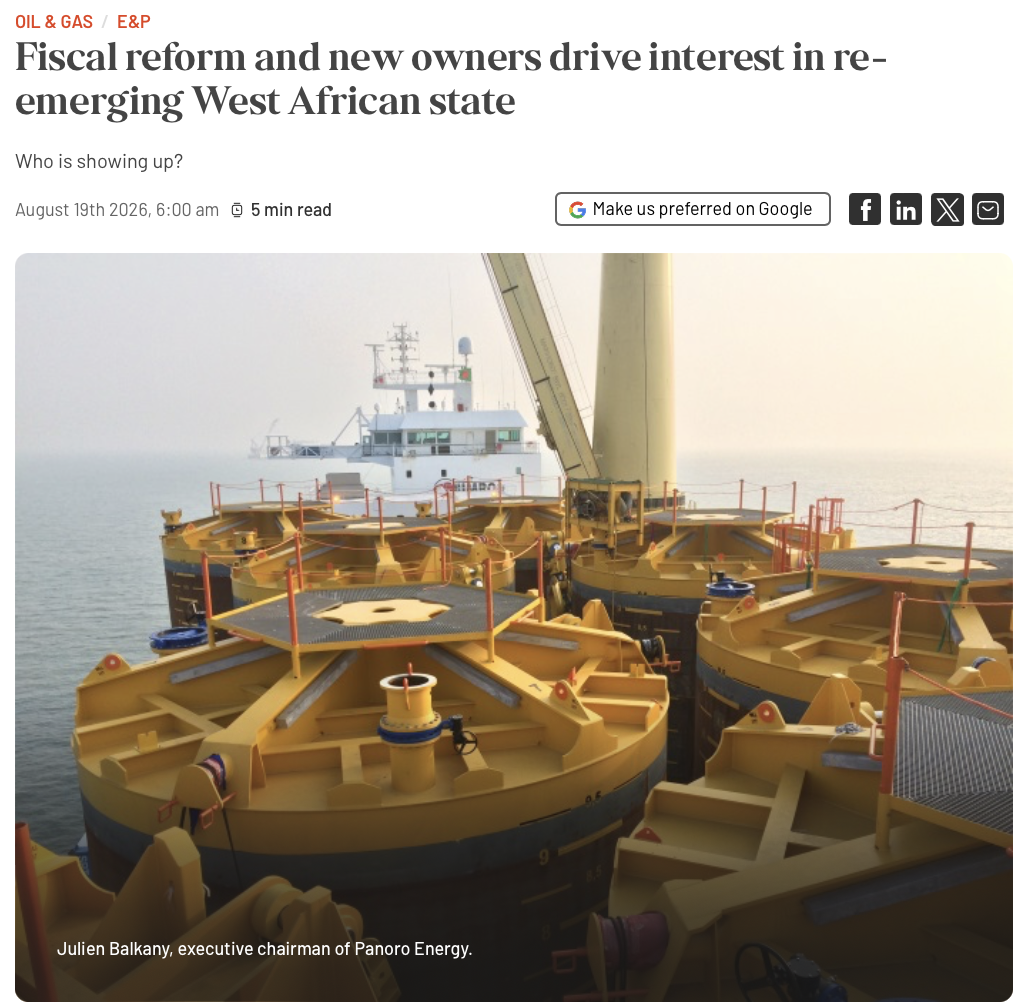
Ownership is moving from global majors toward the state and more focused independent E&P companies. Gepetrol has assumed operatorship of the Zafiro field following ExxonMobil’s exit. Trident Energy has demonstrated the potential to improve performance from mature assets, and Panoro Energy has progressed from a new entrant in 2021 to the largest independent interest holder in Block G. This is a familiar pattern across mature petroleum provinces: assets that become peripheral to a major’s global portfolio can remain highly attractive to independents with lower cost structures and an appetite for incremental production.
What this means for clients
The open questions now are execution questions: whether the licensing round attracts genuinely new capital, whether revised petroleum terms translate into sustained drilling and redevelopment, and whether the Gas Mega Hub can convert available resources and infrastructure into a commercially viable LNG supply. Investors previously deterred by EG’s fiscal terms — particularly independents positioned to take on mature or peripheral assets — should reassess the environment now that rates have moved and a direct-negotiation path exists alongside the formal round.