Output has risen from about 45,000 to 57,000 bpd, and attention now turns to governance and financing.
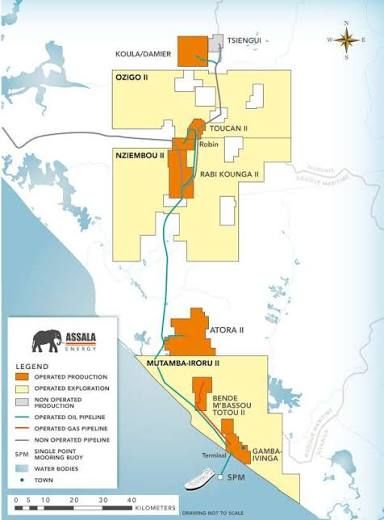
When Gabon Oil Company (GOC) exercised its preemption right to acquire Assala Energy in mid-2024, financed in part through commodities trader Gunvor Group, it was widely framed as a high-risk bet by the government. Output figures now suggest it is paying off: production has climbed from roughly 45,000 bpd before the acquisition to 57,000 bpd today, an increase of nearly 27%.
A change of model
The deal marked a shift in Gabon’s approach to petroleum, from collecting taxes and royalties on foreign-operated assets to becoming a direct operator of productive infrastructure.
What may come next
Buoyed by these early results, the government is reportedly eyeing further acquisitions, including former Tullow Oil holdings. Such moves could turn GOC into a significant independent operator in its own right.
What this means for clients
For investors and counsel tracking Gabon’s energy sector, the real test now shifts from operations to governance. Two questions matter most: whether production gains convert into durable fiscal revenue, and how GOC manages its expanding balance sheet and financing commitments as it scales. Counterparties dealing with GOC, whether as lenders, partners or sellers, should pay close attention to how those commitments are structured. The wider question is whether state-led consolidation is a model other producing nations should watch, or one that only works with Gabon’s specific asset base.